You Can’t Give and Then Take Away- Georgia’s Workers Compensation Reimbursement Rules Favor The Injured Worker.
In a lot of cases involving injuries on the job there will also be a claim against someone that caused the injury. In a very recent case, Best Buy Co. v. Mckinney, the Georgia Court of Appeals reiterated how difficult it is for a the employer to take back the workers compensation benefits paid out of the settlement with a third party who caused the injury. In Georgia, this is called the “Complete Compensation Rule.” It is very favorable to Georgia’s injured workers and in other context when an insurer is trying take back what they have already paid.
For example, in the Best Buy case the employee, Mr. Mckinney, was injured when he fell off a forklift while working at Best Buy. He suffered a Traumatic Brain Injury and had cognitive difficulties after the fall. Mr. Mckinney filed a lawsuit against a number of Defendants alleging product liability and negligence theories. Best Buy intervened in the lawsuit trying to enforce it’s workers compensation lien. Mr. Mckinney settled his case against the Defendants and dismissed his case against them. Best Buy moved to enforce it’s lien against the settlement proceeds. The trial court found against Best Buy and held that Mr. Mckinney was not completely compensated so there could be no recovery by Best Buy of the benefits paid to its injured employee.
Under the Workers’ Compensation Act (the “Act”), OCGA § 34-9-1 et seq., if an employer pays workers’ compensation benefits to an employee who was injured while acting in the course and scope of his employment, and the employee sues a third party for causing the injuries, the employer can intervene in the suit and seek to enforce a subrogation lien against any recovery obtained by the employee from the third party.
But the lien is limited to the recovery of the amount of disability benefits, death benefits, and medical expenses paid under the Act and shall only be recoverable if the injured employee has been fully and completely compensated, taking into consideration both the benefits received under the Act and the amount of the recovery in the third party claim for all economic losses incurred as a result of the injury.
Furthermore, because a subrogation lien “is available only against recovery for economic losses,” a trial court cannot enforce the lien against the portion of the employee’s recovery that was meant to compensate him for his noneconomic losses, i.e., his pain and suffering. Pain and suffering is a large part of most personal injury cases, but pain and suffering is not an available remedy in a Workers Compensation case. Thus, it is only fair that an employer not be entitled to any portion of that award.
In the Mckinney case the settlement documents did not breakdown the amount of damages into categories so the trial court held that it could not determine what portion of the settlement was pain and suffering and what portion was entitled to reimburse Mr. Mckinney for the economic damages he suffered. Thus, the Court could not enforce the the employers lien on the settlement proceeds.
The Complete Compensation Rule is very much in favor of the injured person and is applicable in most Health Insurance and other first party insurance reimbursement cases. Knowing and understanding this rule allows experienced personal injury attorneys to get the most for their injured clients.
Related Articles
Thanksgiving Holiday is a Deadly One on U.S. Roads – The Washington Post
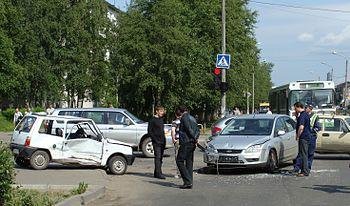
The Thanksgiving Holiday is one of the deadliest holidays on the roads in the United States. It is estimated that 42 million Americans will travel to celebrate the Thanksgiving holiday. The National Safety Council estimates 433 deaths and 52,300 injuries requiring medical attention may occur because of car crashes just over the 4 day weekend.

Are Drunk Drivers Always At Fault?
Drunk drivers are a huge issue in Georgia, the big Peach has plenty of bars, and people are all too quick to jump behind the wheel. Now, while some people claim that they're better drivers when they're drunk but that's never true. There are people who have a drink and can get through short distances
Long-Term Impact of a Catastrophic Injury in Lawrenceville
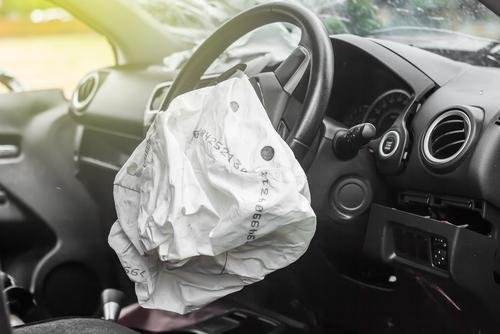
Motor vehicle accidents with risks of catastrophic injury happen daily. No matter how careful you are on the road, unexpected circumstances and the negligence of others might result in an accident. When this happens, you either suffer minor injuries or a catastrophic one that could change your life’s course forever. By definition, a catastrophic injury